
Quiet Your Stairs with Professional Staircase & Tread Repair
Squeaky steps, creaking staircases, and noisy treads can make everyday movement frustrating. Squeak Stoppers helps homeowners address unwanted staircase noises by identifying movement in the steps, supporting components, and connections that may be causing the problem.
Make Every Step Quieter and More Comfortable
Your staircase is one of the most frequently used areas of your home. From early-morning trips downstairs to everyday movement between floors, noisy stairs can quickly become a constant annoyance.
At Squeak Stoppers, we understand that staircase noise can come from several different parts of the structure. A tread may shift under pressure, a riser may rub against an adjacent component, or connections between the stairs and supporting framework may have loosened over time.
With over a decade of experience in home construction and flooring systems, Scott Diebold takes a practical approach to understanding these issues. We help homeowners identify the source of staircase squeaks and explore suitable repair options based on the condition and construction of their stairs.
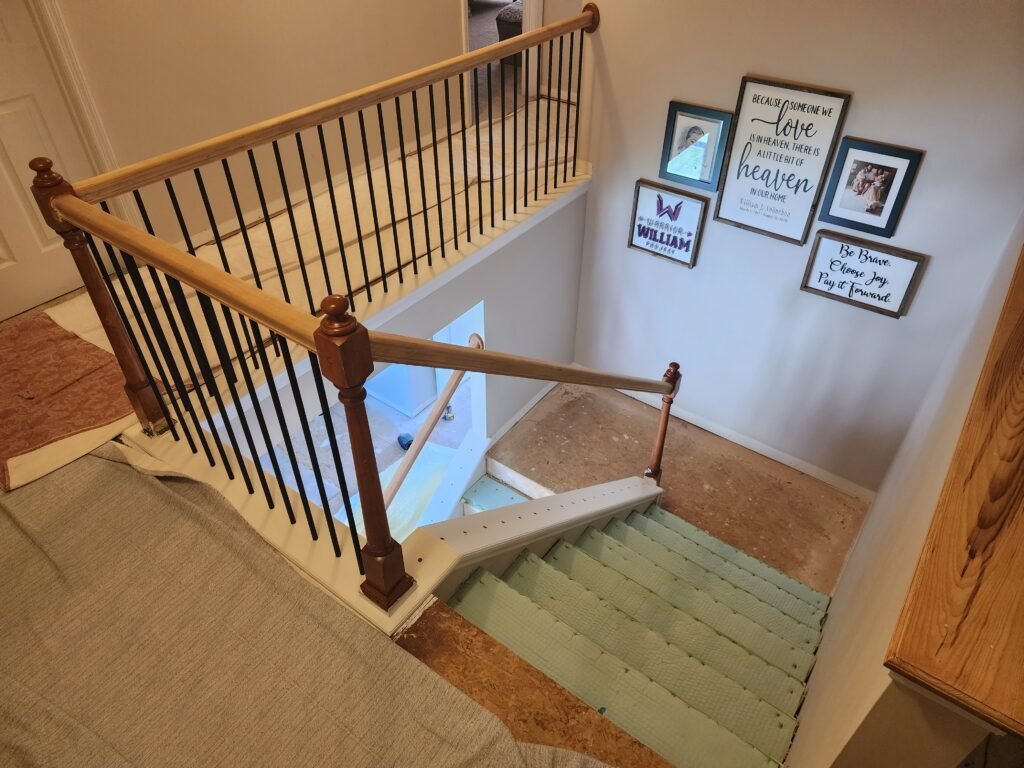
What Causes Staircase and Tread Squeaks?
Staircase noises often develop gradually as materials age, connections move, and repeated foot traffic puts pressure on individual components.
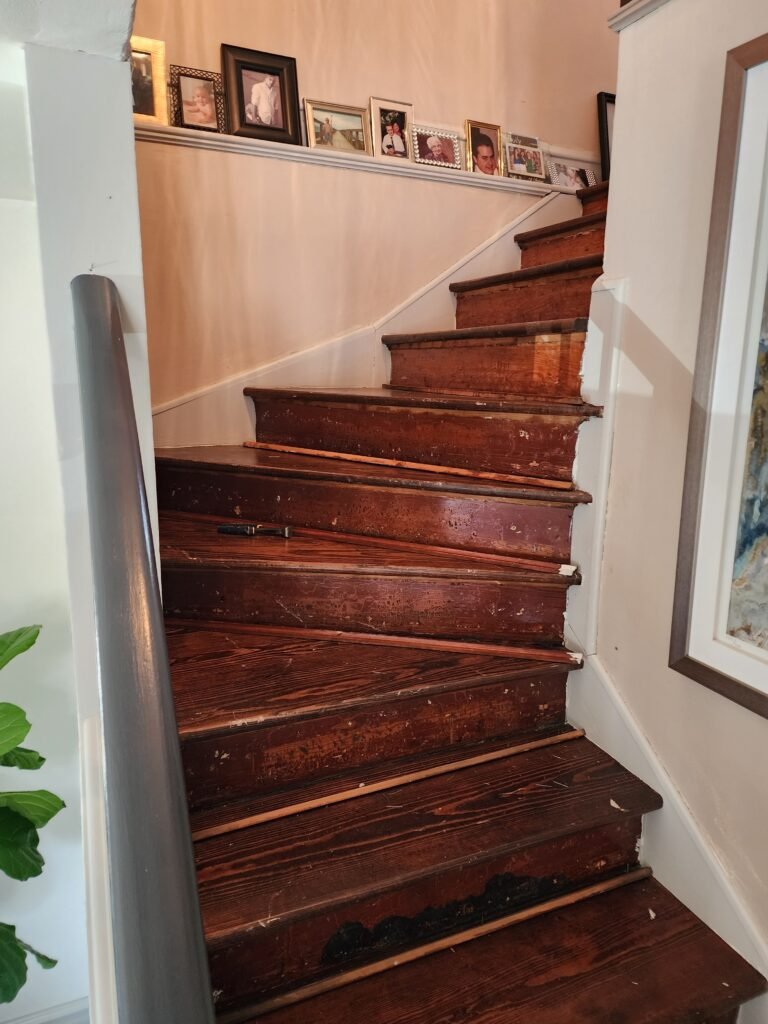
Loose Stair Treads
Stair treads can develop movement where they connect to the supporting structure. When weight is applied, this movement may create squeaking, clicking, or creaking sounds.
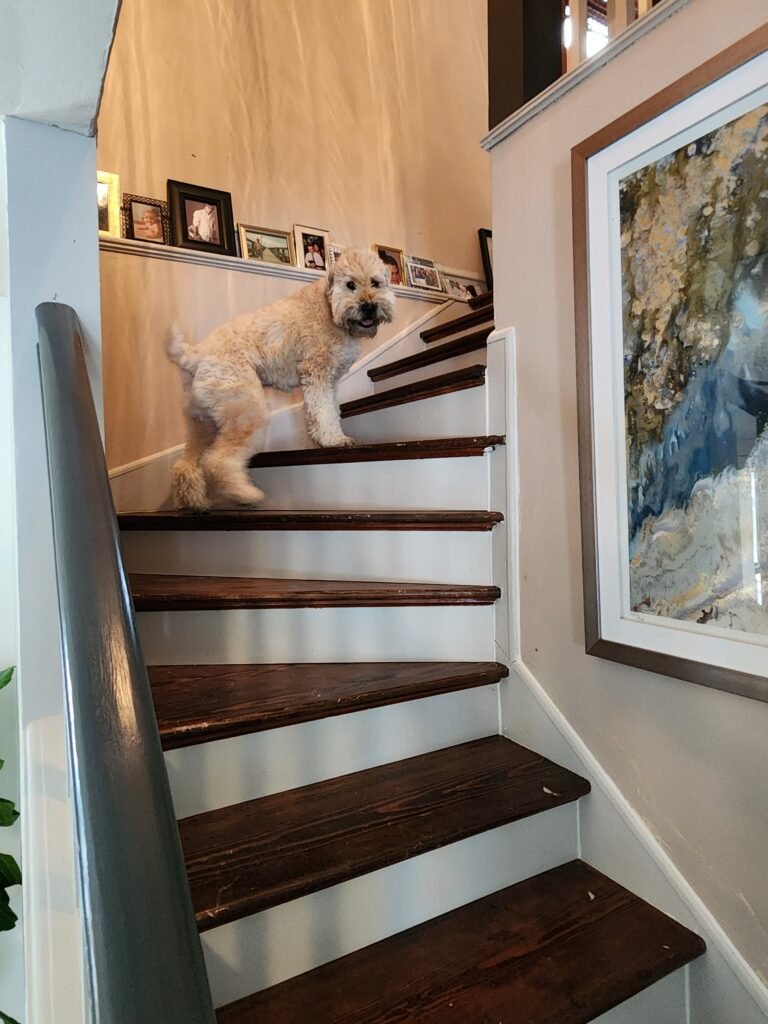
Friction Between Treads and Risers
The horizontal tread and vertical riser can rub against each other as the staircase flexes, producing noise with each step.

Movement in Stair Supports
Stair stringers and other supporting components help carry the load of the staircase. Movement or loose connections in these areas may contribute to persistent creaking.

Loose Connections and Fasteners
Repeated use can reveal movement at joints and fastening points, allowing staircase components to shift and generate unwanted sounds.

Our Staircase & Tread Repair Services
Every staircase has its own construction and wear patterns. We focus on the specific location and conditions of the noise to help determine the most appropriate repair approach.
Squeaky Stair Treads: Addressing unwanted movement in individual steps where practical.
Riser and Tread Connections: Investigating friction and movement between horizontal and vertical stair components.
Staircase Framework: Examining accessible supporting components that may contribute to creaking.
Loose Stair Connections: Identifying movement around joints and fastening points that may need attention.
Targeted Noise Repairs: Concentrating on the affected steps and connections instead of automatically recommending a complete staircase replacement.
Our goal is to address the source of the noise as effectively as possible while considering the staircase’s existing condition, accessibility, and construction.
Why Choose Squeak Stoppers?
Experience with Residential Construction
Scott Diebold brings over a decade of experience and practical knowledge of flooring and building components to staircase noise concerns.
Attention to Individual Steps
We consider which steps make noise, when the sound occurs, and how the staircase responds to normal use.
Practical Repair Options
We help homeowners explore suitable ways to address noisy staircases without assuming a full rebuild is necessary.
Clear Communication
We explain the issue, discuss potential solutions, and help you understand the next steps for your staircase.
Staircase & Tread Repair in St. Louis and Nashville
Squeak Stoppers helps homeowners address noisy stairs throughout the St. Louis, Missouri, and Nashville, Tennessee, areas. Whether one particular tread squeaks or your staircase makes noise across several steps, we can help you explore the available options.
Contact your local team to discuss your staircase repair needs:
Missouri: (314) 341-9676
Tennessee: (615) 400-5564

FAQ'S
Frequently Asked Questions
Stairs may squeak because of movement between treads, risers, fasteners, or supporting components. The specific cause depends on how the staircase was built and where movement occurs.
In many cases, repairs can focus on the affected steps or connections. The best approach depends on the condition of the staircase and the underlying cause of the noise.
A single noisy step may have a loose connection, localized friction, or movement that differs from the surrounding steps. Examining the affected area can help determine what needs attention.
Yes. Carpet does not necessarily prevent noise caused by movement in the underlying tread, riser, or staircase framework. The repair approach depends on the construction and accessibility of the affected area.
Yes, loose or unstable stairs should be assessed promptly. If a step moves noticeably, feels unsafe, or shows signs of structural damage, avoid using that area until it has been evaluated by a qualified professional.
Every trip up and down your stairs should feel comfortable, not come with a chorus of creaks. Squeak Stoppers helps homeowners investigate noisy treads and staircase connections to find practical repair options for their homes.