
Stop Hardwood Floor Squeaks and Enjoy a Quieter Home
Tired of hearing squeaks every time you walk across your hardwood floors? Squeak Stoppers helps homeowners identify and address annoying floor noises with practical solutions tailored to their flooring and home’s construction.
Say Goodbye to Annoying Hardwood Floor Squeaks.
Hardwood floors add warmth, character, and value to a home, but squeaking can quickly become frustrating. Whether you hear creaking in the hallway, popping sounds in the living room, or squeaks in a frequently used bedroom, unwanted noise can disrupt the comfort of your home.
At Squeak Stoppers, we understand how flooring systems work and what can cause hardwood floors to make noise. With over a decade of experience, Scott Diebold brings practical knowledge of home construction, flooring materials, and building components to help identify the source of the problem.
Our goal is to find an appropriate solution for your specific floor, helping you enjoy a quieter and more comfortable living space.

What Causes Hardwood Floors to Squeak?
Hardwood floor squeaks can develop for several reasons. Identifying the source of the noise is an important first step toward addressing it.

Movement Between Floorboards
Hardwood boards can rub against one another as they shift slightly under pressure, creating squeaks and creaking sounds.
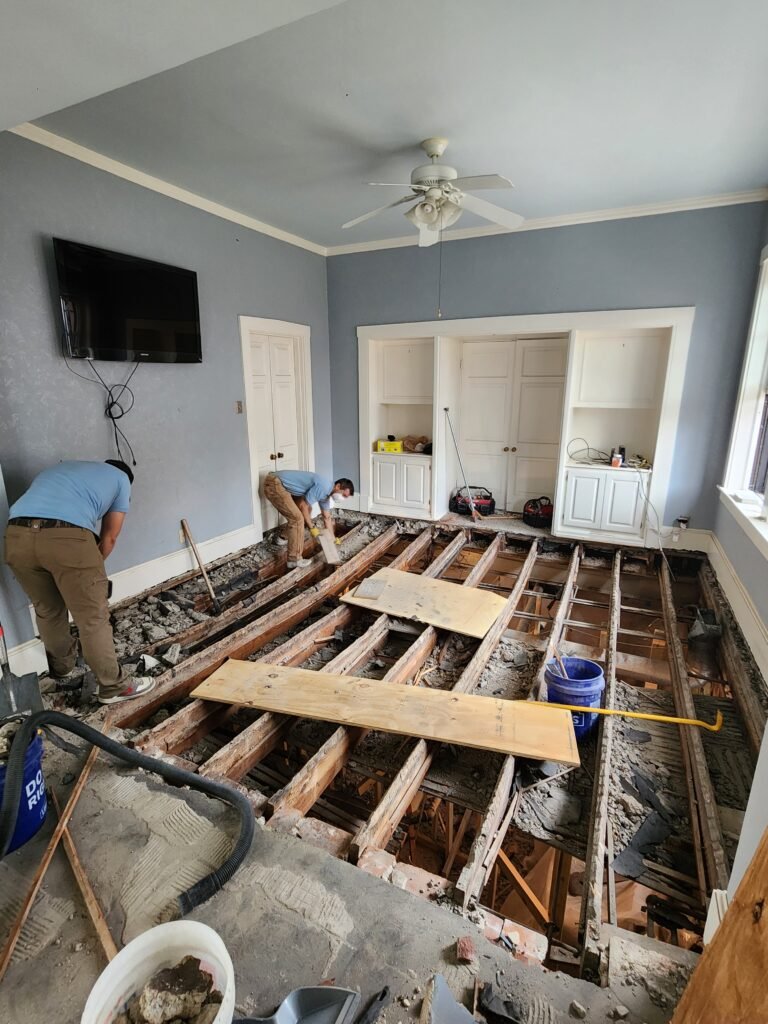
Loose Subfloor Connections
Movement between the hardwood flooring, subfloor, and supporting structure may cause friction and unwanted noise when someone walks across the floor.

Floor Joist Movement
Changes in the way floor joists and other structural components move under load can contribute to squeaking in certain areas.

Seasonal Changes
Changes in temperature and humidity can cause wood to expand or contract, potentially creating gaps, friction, and new noises.

Our Hardwood Floor Squeak Solutions
Every home and flooring system is different. We focus on understanding where the noise occurs and what may be causing it before determining an appropriate approach.
Floorboard Noise: Addressing friction and movement between hardwood boards where possible.
Subfloor Issues: Identifying areas where the subfloor may be moving against nearby components.
Floor Joist Concerns: Investigating accessible structural areas that may contribute to the squeaking.
Targeted Repairs: Focusing on the affected locations rather than assuming the entire floor needs attention.
Home-Specific Assessment: Considering the flooring type, construction, accessibility, and condition of the affected area.
Our approach is designed to address the underlying source of the noise wherever practical, rather than simply masking the sound.
Why Choose Squeak Stoppers?
Over a Decade of Experience
Benefit from Scott Diebold's hands-on knowledge of residential construction and flooring systems.
Attention to the Source of the Noise
We consider the flooring and supporting structure to help determine the most suitable repair approach.
Solutions for Different Areas of Your Home
We work with flooring concerns in rooms, hallways, upper floors, and finished or unfinished basements.
Straightforward Service
We help homeowners understand their options and take the next step toward a quieter home.
Hardwood Floor Squeak Repair in St. Louis and Nashville
Squeak Stoppers serves homeowners in the St. Louis, Missouri, area and Nashville, Tennessee, area. Whether the squeaking is limited to one room or affects several areas of your home, we’re ready to learn more about your flooring concerns.
Contact the appropriate local team to discuss your project:
Missouri: (314) 341-9676
Tennessee: (615) 400-5564

FAQ'S
Frequently Asked Questions
In many cases, yes. The appropriate repair depends on the cause of the squeak, the floor’s construction, and access to the affected area. Full flooring replacement is not always necessary.
The sound may result from friction between floorboards, movement between the flooring and subfloor, loose connections, or movement in the supporting structure.
Yes. Changes in indoor humidity and temperature can cause wood to expand or contract, which may contribute to new or more noticeable squeaks.
Results depend on the underlying cause and the condition of the flooring system. An assessment can help determine the likely repair options and realistic expectations.
Squeak Stoppers works with flooring concerns in different areas of the home. Contact us to discuss the location and construction of your floor.
You shouldn’t have to put up with distracting creaks every time you walk through your home. Squeak Stoppers can help you explore practical options for addressing your hardwood floor noise.
Contact us today to discuss your project and request an estimate.
Missouri: (314) 341-9676
Tennessee: (615) 400-5564